
Waterproofing Repairs
Waterproofing Issues
The building envelope is the protective boundary that separates interior spaces from external weather exposure. When components such as walls, decks, balconies, roofs or siding fail to resist moisture, the resulting water intrusion can affect framing, finishes and structural integrity. In the Bay Area, moisture-related issues frequently appear due to seasonal weather, temperature shifts and aging construction materials. BCS offers building envelope and waterproofing repair services that address the underlying causes of leaks and deterioration to restore the performance of the structure.
Water intrusion often begins subtly, with signs such as discoloration, deterioration or localized swelling of materials. Without intervention, these signs can progress into structural decay or compromised waterproofing systems. Understanding how water travels through building assemblies is essential to identifying problems accurately.
Common Waterproofing Failures
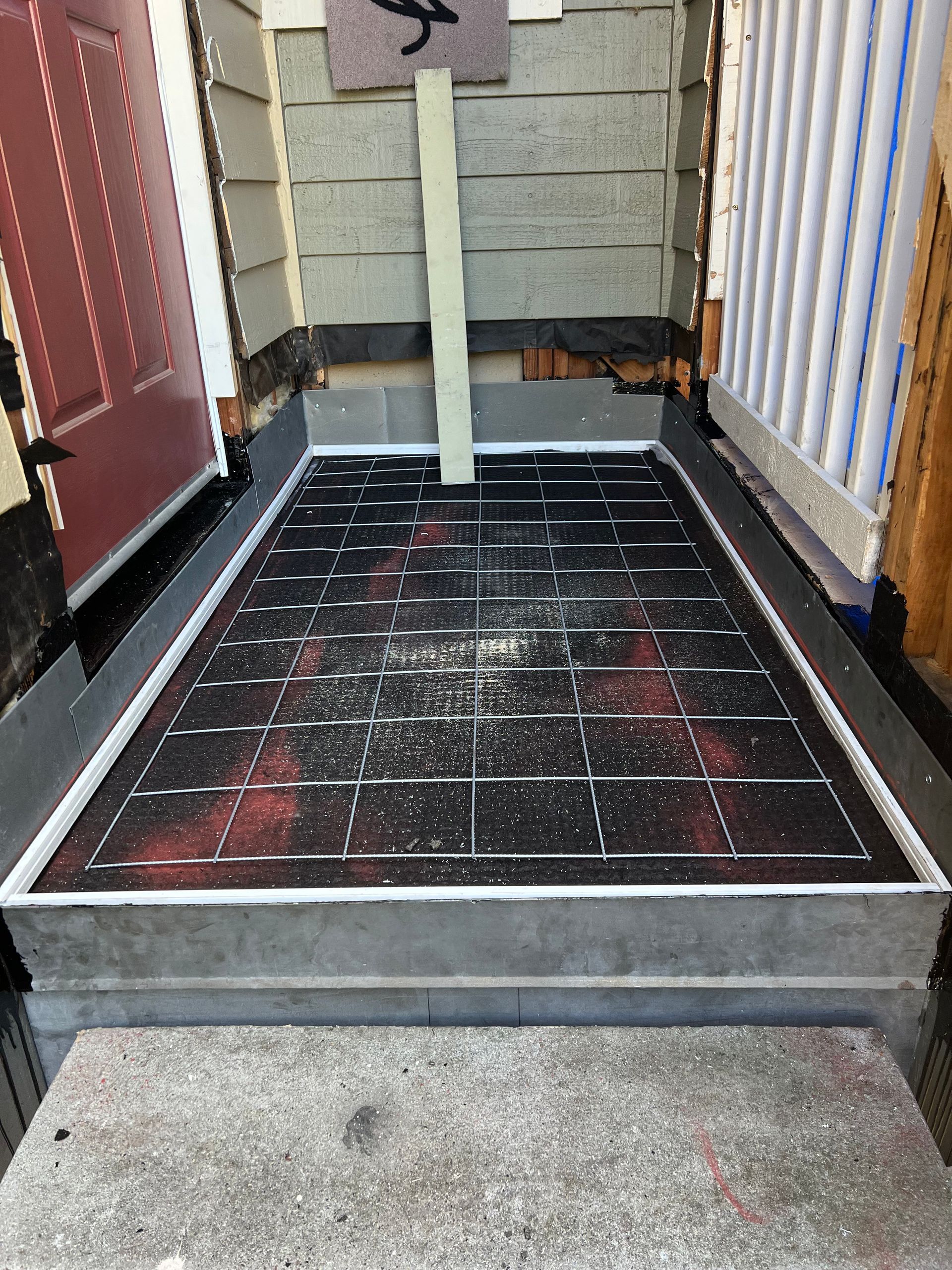
Properties experience conditions that contribute to waterproofing breakdown, including prolonged sun exposure, seasonal moisture, aging membranes and improper drainage. When the waterproofing layer no longer performs as intended, water begins to enter areas where it should never accumulate.
Deck and Balcony Membrane Failure
Decks and balconies rely heavily on intact waterproofing membranes to protect the structure beneath. Over time, coatings may crack, blister or separate from the substrate. Once compromised, water can penetrate into framing members, causing rot or weakening connections. Repairing these failures involves removing damaged layers, assessing underlying materials and installing new waterproofing systems that match the deck’s use and structural needs.
Wall and Siding Penetration Issues
Exterior walls often show moisture intrusion around windows, doors or transitions where flashing may be improperly installed or deteriorated. Even small openings can channel water into cavities, leading to material failures or structural degradation. Waterproofing repairs in these areas require focused inspection, removal of damaged materials and correction of flashing or sealant systems to redirect water away from vulnerable areas.
Roof and Parapet Water Entry
Roofs and parapet walls are exposed to heavy runoff and wind-driven rain, making them frequent sources of leaks. When underlayment fails or flashing pulls away, moisture reaches insulation and deck surfaces. Restoring these areas requires integrating new materials with the existing roof assembly while ensuring compatibility and long-term durability.
How BCS Approaches Building Envelope Restoration
Repairing a building envelope requires a methodical approach that identifies the problem, isolates the cause and reconstructs the area to prevent future failure. BCS performs detailed investigations, using visual inspection and professional assessment methods to understand how water is entering the assembly. Work is then planned to address both surface-level symptoms and potentially deeper structural consequences of moisture exposure.
Inspection and Moisture Evaluation:
Inspection begins with locating signs of distress, such as staining, peeling finishes or deteriorated substrate materials. When necessary, building envelope evaluations trace moisture paths through concealed areas to determine how far damage has progressed. These findings guide the repair strategy and ensure that water sources are fully resolved rather than temporarily masked.
Removal of Compromised Materials:
Water-damaged elements must be removed to prevent recurring issues. This may include deteriorated sheathing, failed waterproofing layers, saturated insulation or weakened framing. By eliminating compromised components, the repaired assembly can successfully support new waterproofing installations and reinstate the structure’s integrity.

Reconstruction and Waterproofing Application:
Once the damaged area is prepared, reconstruction begins with proper integration of flashing, sealants, drainage planes and membranes. Each repair must integrate properly into adjacent components, allowing water to shed efficiently without entering the structure. Membrane systems are selected based on exposure levels, expected movement and the type of assembly being restored.
Specialized Waterproofing Systems for Long-Term Protection
BCS provides waterproofing solutions tailored to the needs of decks, balconies, walls and other building envelope components throughout the Bay Area. Each system is specified for durability, compatibility with the existing structure and long-term performance under local climate conditions.
Elastomeric Coatings:
Elastomeric coatings offer flexibility and resilience, making them suitable for surfaces that expand and contract with temperature changes. They are designed to create a seamless barrier that resists cracking and aids in the prevention of water infiltration. Application of these coatings requires careful preparation to ensure strong adhesion and a uniform finish.
Fluid-Applied Membranes:
Fluid-applied membranes allow for continuous coverage over irregular surfaces. They are ideal for areas where traditional sheet membranes cannot conform to complex shapes or transitions. Once cured, these membranes form a durable shield that protects against moisture while providing reliable performance in exposed conditions.
Restoring Structural Integrity After Water Damage
When waterproofing issues lead to structural deterioration,
BCS provides the necessary reconstruction to restore the affected portions of the building. Structural restoration complements waterproofing work, ensuring that both the strength and moisture resistance of the assembly are reestablished.
Framing Replacement and Reinforcement
Framing that has been weakened by prolonged moisture exposure must be replaced or reinforced to maintain viability. This process ensures that the structure can continue to support the load requirements of the building and provides a stable foundation for new waterproofing systems.
Sheathing and Substrate Restoration
Sheathing and substrate materials often show significant damage once water intrusion has migrated behind exterior finishes. Restoring these layers is essential to maintaining the building’s envelope and preventing future infiltration.
Drainage and Water Management Improvements
Waterproofing repairs frequently reveal the need for improved drainage. Adjusting slopes, adding proper flashing or redesigning water-shedding components can prevent the recurrence of issues and preserve the envelope’s long-term stability.